
Prairie Fire Tomatoes: The Sweet, Low-Acid Tomato That Thrives in Florida Heat
There’s something about a tomato that actually tastes like a tomato that stops people in their tracks.
Prairie Fire tomatoes are one of those varieties.
They’re small, bright red, and easy to overlook at first glance. But once you taste one, it clicks. Sweet, smooth, and noticeably low in acidity, without that mushy core most store-bought tomatoes have.
That’s exactly why Shirley decided to grow them.
What Makes Prairie Fire Tomatoes Special?
Prairie Fire is a determinate hybrid tomato, which means it grows to a set size and produces a heavy, concentrated harvest over a shorter window.
That alone makes it perfect for your table.
But the real reason people love them comes down to flavor and reliability.
They’re known for:
- A naturally sweet, low-acid taste
- Smooth flavor that’s easy on the stomach
- Heavy yields in a short window
- Strong performance in heat and humidity
If you’ve ever had someone say “tomatoes upset my stomach,” this is the kind you hand them.
What Do Prairie Fire Tomatoes Taste Like?

Most tomatoes hit you with acidity first.
Prairie Fire does the opposite.
They’re mild, slightly sweet, and balanced, with just enough tomato flavor to remind you what you’ve been missing. No harsh bite. No metallic aftertaste.
They’re the kind of tomato you can eat straight off the vine.
And people do.
Florida Grower’s Guide: Prairie Fire Tomatoes
Growing tomatoes in Florida isn’t the same as growing them anywhere else. Heat, humidity, and disease pressure change the game.
Prairie Fire holds up better than most.
Planting Season (Florida)
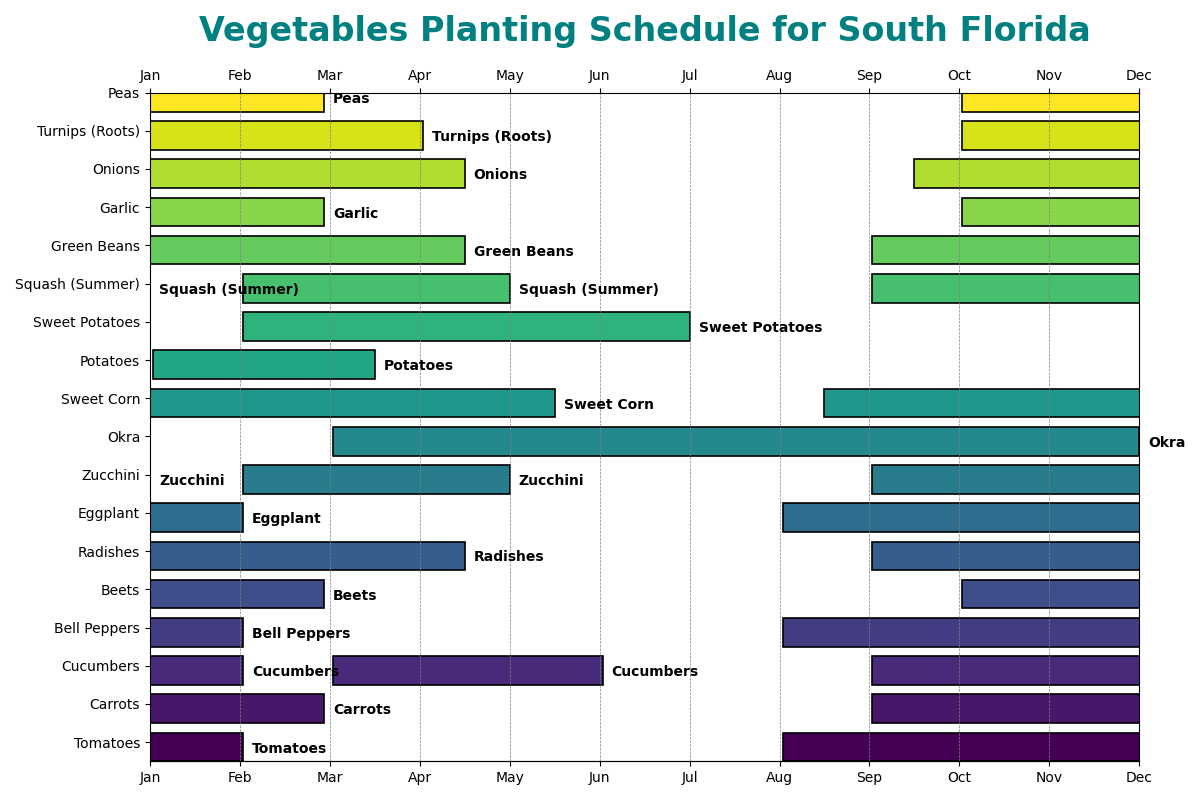
In Central Florida:
- Start seeds: January to February (spring crop)
- Transplant outdoors: February to March
- Fall crop (optional): Start seeds in August
Tomatoes struggle in peak summer heat, so timing is everything.
Grow Season Snapshot
| Stage | Timeline |
|---|---|
| Seed to transplant | 4–6 weeks |
| Transplant to first harvest | 60–75 days |
| Total grow cycle | ~90–110 days |
Because Prairie Fire is determinate, most of your harvest will come in a tight window. That’s ideal for coordinated harvest days.
Sun, Soil, and Water
Prairie Fire does best when you keep things simple and consistent.
- Sun: Full sun (6–8+ hours daily)
- Soil: Well-drained, rich in organic matter
- Water: Deep, consistent watering (avoid swings)
In Florida, uneven watering is what causes most tomato problems. Keep it steady and you’re ahead of the game.
Spacing and Support
Even though they’re determinate, don’t underestimate how heavy they get.
- Space plants 18–24 inches apart
- Use cages or light trellising to support fruit load
When they set fruit, they set a lot.
Common Florida Challenges (And How Prairie Fire Handles Them)
Florida throws everything at tomatoes.
Heat. Humidity. Disease pressure.
Prairie Fire is known for handling:
- High humidity better than heirlooms
- Consistent fruit set in warm conditions
- Reduced cracking compared to larger varieties
It’s not bulletproof, but it’s forgiving, which matters more.
When to Harvest Prairie Fire Tomatoes

You’ll know they’re ready when:
- They turn a deep, glossy red
- They give slightly when pressed
- They come off the vine easily
The best flavor comes when they’re fully vine-ripened.
That’s the difference people notice immediately.
Why We Chose Prairie Fire at Wilshires
This one came down to a simple question:
“What are people actually going to enjoy eating?”
Prairie Fire checked all the boxes.
It grows reliably in our conditions. It produces heavily in a clean harvest window. And most importantly, people like it.
How to Use Prairie Fire Tomatoes
These shine in simple dishes where the flavor can stand on its own.
- Fresh salads
- Snacking straight off the vine
- Light sautés
- Garnishes for sandwiches and wraps
They don’t need much help.
Want to Try Them?
We’re growing Prairie Fire tomatoes right here at Wilshires Organics.
When they’re ready, they’ll be available during our harvest windows alongside our microgreens.
If you want first pick, keep an eye on our updates or join our harvest day notifications.
Because once they’re ready, they don’t last long.